

Teaching tips
Three Reasons Students Procrastinate and How to Help Them Stop
Psychologists have uncovered reasons why students put off important work. But there are a few simple things teachers can do to keep students on track.
Newsroom
Every announcement, story and event poster the Ministry publishes, kept in one place and searchable back through the archive.
292 posts
Clear filtersPsychologists have uncovered reasons why students put off important work. But there are a few simple things teachers can do to keep students on track.

With Random Acts of Kindness Day approaching, here are five easy ways to promote kindness across all age groups.

Practice tests not only help surface gaps in knowledge they also strengthen memory.

A student teaching placement has its own challenges, and it’s vital to be reflective and have a growth mindset.
Six tips for thriving throughout the rest of your first year of teaching.
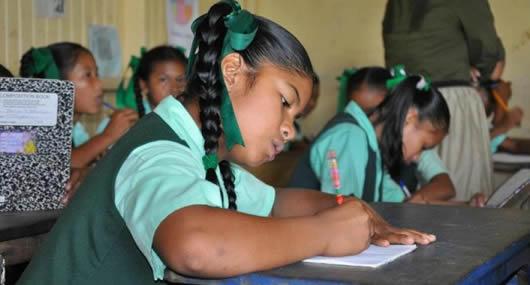
Teachers can help students strengthen their brain's executive function with "workouts" in which they practice pausing, prioritizing, improving their working memory, and mapping their options.
These strategies can help students are able to decode well but have difficulty understanding what they read—and they’re beneficial for all students.

Calling students’ parents or guardians with good news encourages more good behavior and creates strong teacher-student bonds.

On their own or with an instructional coach, new teachers can create a data-driven action plan for improving their teaching practices.
Taking a moment to focus on your breathing can help you manage stress, listen more deeply, and defuse tense classroom situations.
A simple plan for advisory includes self-reflection to help students see their growth over time.

Kindness, empathy, and a focus on building community are among the qualities of a great teacher.
Showing 229–240 of 292 posts